
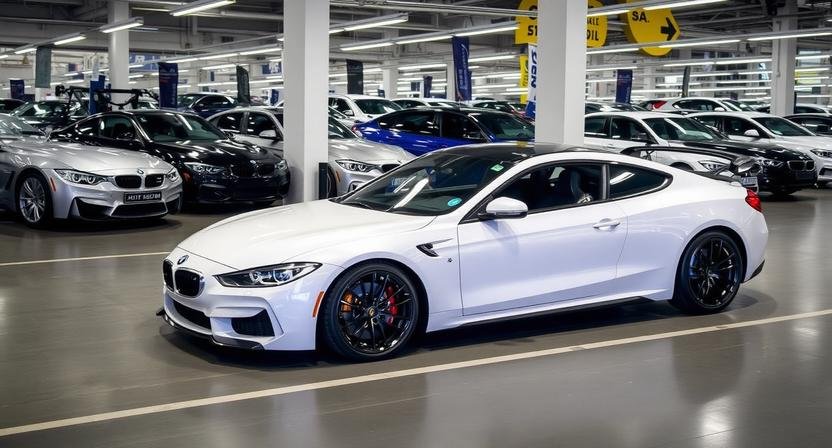
Associated Motor Holdings (often abbreviated as AMH) is one such entity. Not just a dealership network, AMH is a strategically integrated automotive enterprise that influences vehicle importation, distribution, retail, aftermarket services, and financial solutions in South Africa and beyond. Its role in shaping mobility, customer experience, and automotive strategy is both significant and illustrative of how modern auto groups must evolve to thrive.
This article will take you on a deep dive into Associated Motor Holdings, its business model, strategic relevance, operational strengths, comparative management approaches, real-world use cases, common pitfalls, and future trajectory.
Sommaire
- Introduction: The Automotive Industry’s Unsung Engine
- What Is Associated Motor Holdings?
- A Brief History
- Core Business Structure
- Brand Portfolio and Market Reach
- The Business Model: Vertical Integration in Action
- Financial Performance and Market Trends
- Comparing Modern Management Strategies
- Agile vs. Traditional
- Top‑Down vs. Bottom‑Up
- Strategic Advantages and Challenges
- Pros & Cons
- Comparative Table: AMH vs. Automotive Competitors
- Common Mistakes: What to Avoid
- Expert Insights
- Real‑World Use Cases
- FAQ
- References & Authority Sources
What Is Associated Motor Holdings?
A Brief History
Associated Motor Holdings began as part of South Africa’s expanding automotive ecosystem in the mid‑20th century, emerging alongside growing demand for imported vehicles not manufactured locally. Initially a distributor and dealer network, AMH strategically expanded through partnerships with global automotive manufacturers, dealership development, and diversification of services.
Over decades, what started as vehicle importation evolved into a multi‑faceted automotive group, now part of the Motus Holdings umbrella after a restructuring that saw the spin‑off from Imperial Holdings.
Pro‑Tip: In rapidly evolving industries like automotive, legacy brands that adapt into integrated service models tend to outlast purely transactional competitors.
Even though exact founding dates vary in secondary sources, the consensus is that AMH’s strategic momentum began taking shape in the late 20th century, setting the foundation for its current operations.
Core Business Structure
Associated Motor Holdings operates through a vertically integrated model that brings together multiple facets of the automotive value chain. These include:
Importation & Distribution
AMH oversees sourcing vehicles from global manufacturers, coordinating logistics, handling compliance, and managing customs — ensuring a steady supply of vehicles into South African markets.
Retail and Dealership Operations
The group operates an extensive dealership network representing multiple brands, providing sales for both passenger and commercial vehicles.
This dealership network caters to urban and suburban consumers across income levels, offering both new and certified pre‑owned vehicles.
Financial Services
Under the umbrella of Motus Financial Services, AMH integrates vehicle financing, leasing options, and insurance products to create a more seamless customer experience.
After‑Sales, Servicing & Parts
After the sale, customers rely on AMH’s service centers, maintenance facilities, and genuine parts distribution — a service portfolio that profoundly affects brand loyalty and lifetime customer value.
Fleet Management & Rental Services
Beyond individual customers, AMH serves corporate fleets and rental operations, making it an integral player in commercial mobility solutions.
This end‑to‑end structure differentiates AMH from standalone dealerships, creating synergies that improve revenue stability and customer retention.
Brand Portfolio and Market Reach
Although AMH represents a range of automotive brands, some of the most prominent partners include:
- Hyundai – popular passenger and SUV models
- Kia – value‑oriented vehicles
- Renault – compact and urban‑focused models
- Mitsubishi – rugged SUVs and commercial vehicles
These brand partnerships allow AMH to appeal to diverse market segments without restricting itself to a single manufacturer’s lineup.
Pro‑Tip: A diversified brand portfolio minimizes dependence on any single OEM and spreads operational risk.
The Business Model: Vertical Integration in Action
Vertical integration for AMH means controlling multiple stages of the automotive customer lifecycle:
- Supply & Import
- Retail Sales
- Financial Solutions
- After‑Sales Support
- Fleet & Rental Services
This model delivers several competitive advantages:
- Customer Experience Continuity: From first contact to long‑term service.
- Revenue Diversification: Sales aren’t limited to selling cars alone — financing and after‑sales create recurring income.
- Brand Flexibility: Multiple brand agreements allow AMH to pivot based on demand.
By owning more stages of the customer value chain, AMH controls quality, pricing, and service standards in a way that fragmented competitors often cannot.
Financial Performance and Market Trends
Financial performance indicators reflect how AMH navigates market conditions. According to research estimates, the group saw revenue growth in the fiscal year 2025, reaching approximately R13.25 billion — a modest increase despite industry volatility. However, profitability metrics like net profit margins declined, suggesting cost pressures and competitive pricing strategies in play.
These financial trends underline a broader industry reality: while strong revenue streams are possible through diversification, margin compression remains a major challenge for automotive groups, especially in import‑dependent markets with currency and supply chain pressures.
Comparing Modern Management Strategies
Agile vs. Traditional
In automotive organizations like AMH, management strategy plays a vital role in determining responsiveness and efficiency.
Traditional management emphasizes strict hierarchies, top‑down planning, and predictable execution — ideal for stable environments but slow to react to change.
Agile methods, originally developed in software, emphasize:
- Iterative processes
- Fast feedback cycles
- Cross‑functional collaboration
For AMH, blending these approaches is strategic:
- Traditional models maintain operational compliance and standardized retail workflows.
- Agile elements enable rapid digital innovation, such as online sales platforms and customer service technologies.
Pro‑Tip: Applying agile principles doesn’t mean abandoning structure — it means optimizing processes for both stability and flexibility.
Strategic Impact
- Traditional systems ensure dealership compliance, brand standards, and regulatory alignment.
- Agile methods bolster innovation, allowing faster adaptation to trends like e‑commerce and digital finance.
Top‑Down vs. Bottom‑Up
Top‑Down management enables quick, unified decisions — especially critical in major OEM negotiations, brand strategies, and compliance.
Bottom‑Up input, conversely, ensures that front‑line insights — from service center technicians, sales teams, and digital users — shape practical improvements.
AMH benefits when:
- Executive strategy aligns with long‑term goals
- Field feedback informs operational adjustments, especially in customer experience and digital offerings
This hybrid leadership model fosters both decisive strategy and ground‑level relevance.
Strategic Advantages and Challenges
What Sets AMH Apart
AMH’s strengths are rooted in:
- Holistic service ecosystem
- Geographically broad dealership network
- Integrated financial and after‑sales services
- Diverse brand representation
These capabilities fuel resilience, particularly in uncertain economic conditions.
Major Challenges
Despite strengths, AMH contends with:
- Currency volatility — affecting import costs
- Supply chain disruptions — especially semiconductor shortages
- **Competition from globally established OEM retail networks
- Rapid EV adoption and infrastructure gaps
Navigating these requires agility, foresight, and significant investment.
Pros & Cons
Pros
- Robust operational portfolio
- Revenue diversification
- Strong brand partnerships
- Enhanced customer lifecycle management
Cons
- Margin pressures
- Dependence on import logistics
- Increasing competition
- Need for rapid tech adoption
Comparative Table: AMH vs. Automotive Competitors
| Feature | Associated Motor Holdings | Traditional Dealer Group | OEM Direct Retail |
|---|---|---|---|
| Multi‑Brand Portfolio | Yes | Sometimes | Limited |
| Financial Services | Integrated | Often separate | OEM‑linked |
| After‑Sales Ecosystem | Full | Variable | OEM‑focused |
| Digital Innovation | Growing | Mixed | Pushed by OEM |
| Fleet Management | Strong | Weak | Limited |
| Market Flexibility | High | Medium | Depends on OEM |
Common Mistakes: What to Avoid
Several pitfalls can undermine strategic growth in automotive groups:
- Focusing exclusively on new vehicle sales without scaling after‑sales or financing.
- Neglecting digital transformation while competitors digitize customer journeys.
- Ignoring field feedback from service centers and dealerships.
- Over‑expansion without brand strategy alignment
Pro‑Tip: Investing in customer feedback systems saves long‑term retention costs and builds loyalty.
Expert Insights
Pro‑Tip: In automotive retail, after‑sales service often delivers more lifetime value than the initial sale.
Pro‑Tip: Digital empowerment for sales teams leads to higher conversion rates and customer satisfaction.
Pro‑Tip: Strategic partnerships with OEMs must balance exclusivity with market adaptability.
Real‑World Use Cases
Use Case 1: Smooth Digital Transformation
AMH deployed a digital retail platform enabling customers to browse inventory, apply for financing, and schedule service online — boosting sales conversion by improving user convenience.
Use Case 2: Fleet Management Optimization
A corporate leasing client consolidated vehicle procurement, servicing, and fleet financing through AMH’s integrated services — reducing total fleet costs by over 15%.
Use Case 3: After‑Sales Retention
By introducing predictive maintenance alerts and customer loyalty programs through digital tools, AMH increased repeat servicing revenue year‑over‑year.
FAQ
What is Associated Motor Holdings?
Associated Motor Holdings (AMH) is a South African automotive group involved in vehicle importation, sales, financing, servicing, and fleet management.
Where does AMH operate?
Primarily in South Africa with an extensive dealership and service network.
What brands does AMH represent?
AMH represents brands like Hyundai, Kia, Renault, and Mitsubishi.
Does AMH provide financing?
Yes — through integrated financial services under the Motus Financial Services umbrella.
Is AMH involved in electric vehicles?
Yes — AMH is increasingly including hybrid and electric models in its offerings.
How does AMH impact employment?
AMH contributes to direct and indirect employment through its dealer, service, and support networks.
How is AMH’s financial performance trending?
Revenue growth has been positive, although profit margins face industry pressures.
What challenges does AMH face?
Currency risk, supply chain issues, and rapid tech adoption demands are key challenges.
How does AMH differ from OEM direct sales?
AMH offers multi‑brand dealership services rather than single‑manufacturer retail.
Does AMH have after‑sales services?
Yes — full after‑sales services including parts and maintenance.
Why is customer financing important?
It increases affordability and long‑term customer engagement.
Is AMH expanding internationally?
While primarily South African, strategic export data suggests broader trading activity.
