
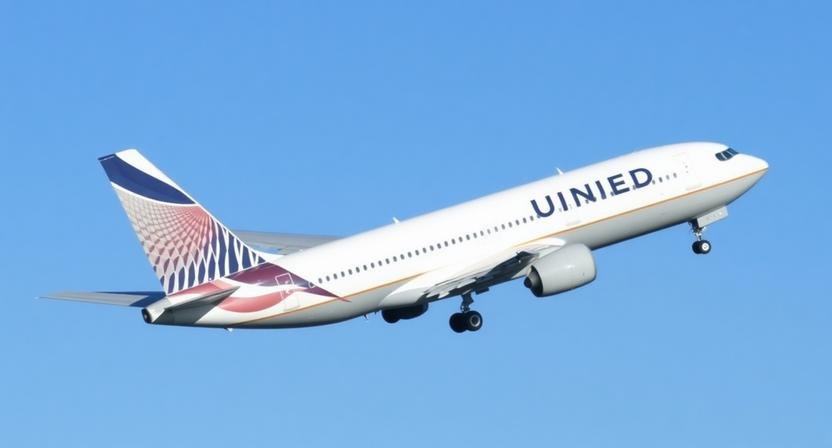
When a flight suddenly changes direction mid-air, passengers feel confusion, frustration, and sometimes fear. The recent united flight ua109 diversion caught widespread attention and raised important questions about airline safety protocols, passenger rights, and what actually happens behind the scenes. This article breaks down the incident, explains why diversions occur, and gives you practical takeaways for your own travel experiences.
What Actually Happened With United Flight UA109
On a seemingly routine journey from Newark to Munich, united flight ua109 diversion became necessary when the crew identified a mechanical issue shortly after departure. Instead of continuing across the Atlantic, the pilots made the decision to turn back and land safely at Newark Liberty International Airport.
Passengers reported hearing a loud bang followed by an announcement that the plane would return. The aircraft landed without incident approximately forty-five minutes after takeoff. Emergency vehicles met the plane as a standard precaution, though no injuries occurred.
This incident represents something important: modern aviation prioritizes safety above schedule pressure. The pilots did not wait to see if the problem worsened. They acted immediately based on established protocols.
Why Do Flights Like UA109 Divert in the First Place?
Flight diversions do not happen randomly. They follow strict decision trees that pilots train for repeatedly. Understanding these reasons helps travelers recognize that diversions signal competence, not failure.
Mechanical Indicators
Aircraft generate thousands of data points every second. When a reading falls outside normal parameters, the crew receives an alert. In the case of united flight ua109 diversion, the specific issue involved a mechanical indicator that required inspection before crossing oceanic airspace.
Pilots do not gamble with Atlantic crossings. Once a plane leaves radar coverage, options become limited. Returning while close to the departure airport represents the safest choice.
Medical Emergencies
Though not the cause for UA109, medical issues trigger many diversions. When a passenger experiences chest pain, severe allergic reaction, or stroke symptoms, crews divert to the nearest suitable airport.
Weather and Air Traffic
Thunderstorms, volcanic ash, or airport closures can force last-minute changes. Sometimes the destination airport becomes unavailable, and the flight must land elsewhere.
Security Concerns
Rare but serious, any perceived threat to passenger safety results in immediate diversion to the nearest secure location.
The Hidden Costs and Consequences of a Diversion
Most passengers only see the delay. They do not see what happens behind the scenes.
Financial Impact on Airlines
A single wide-body diversion costs airlines between fifty thousand and several hundred thousand dollars. Fuel dump costs, crew overtime, passenger accommodations, and airport fees add up fast. United absorbs these costs without passing them directly to passengers, though operational efficiency does factor into long-term pricing strategies.
Passenger Inconvenience
Missed connections, ruined business meetings, and family emergencies left unattended create real hardship. Airlines understand this, which is why they do not divert frivolously. The united flight ua109 diversion caused significant schedule disruption, but the alternative carried far greater risk.
Crew Duty Time Complications
Pilots and flight attendants operate under strict hour limitations. A diversion that returns to the origin often means the crew exceeds their allowable duty period. This forces cancellations or replacement crews, compounding delays across the network.
What United Did Right During the UA109 Incident
Criticism of airlines comes easily. Recognizing good handling matters too.
Transparent Communication
United’s gate agents provided regular updates once the plane returned. Passengers received meal vouchers and rebooking assistance without lengthy waits. The company website updated the flight status promptly, reducing confusion for family members tracking the flight.
Passenger Care Standards
United arranged hotel accommodations for passengers whose connections could not be saved that evening. While overnight stays during mechanical issues are not legally required in all cases, United provided them anyway. This reflects a shift in how major carriers approach customer relations.
Maintenance Transparency
The aircraft underwent immediate inspection by certified mechanics. United communicated that the issue was identified and corrected before the plane returned to service. This transparency builds trust, even when the news causes delays.
Passenger Rights During Flight Diversions
Many travelers do not know what they are entitled to when a flight diverts. The rules differ depending on where you are and which airline you fly.
United States Department of Transportation Rules
US carriers do not owe compensation for mechanical delays or diversions. They must provide refunds if the passenger chooses not to travel on the rebooked itinerary. Meals and hotels are required only for certain tarmac delays, not for diversions themselves.
Contract of Carriage
Every airline publishes a contract of carriage. United’s contract outlines exactly what they provide during irregular operations. For mechanical diversions, United typically offers:
-
Rebooking on the next available flight
-
Meal vouchers for delays exceeding four hours
-
Hotel accommodations for overnight delays
-
Transportation to and from the hotel
These are policy commitments, not legal requirements. United follows them consistently, as seen during the united flight ua109 diversion response.
European Union Compensation Rules
If a diversion occurs on a flight departing from Europe or operated by a European carrier, EU Regulation 261 applies. This provides cash compensation for cancellations and certain delays. US carriers flying from the US to Europe are generally exempt, but the rules create a higher standard that influences global airline policies.
Common Mistakes Passengers Make During Diversions
Experienced travelers handle diversions better. Understanding common errors helps you avoid them.
Leaving the Airport Prematurely
Some passengers exit security to get fresh air or find food. Once you leave the secure zone, re-entering requires reclearing security. During busy periods, this adds forty-five minutes or more. Stay airside until you know the rebooking timeline.
Accepting the First Rebooking Option
Gate agents work under pressure. They often rebook passengers on the next available flight without checking connections. A flight that lands at midnight with no connecting options until morning might be worse than waiting an extra two hours for a direct daytime option.
Ask about all available choices. The agent handling united flight ua109 diversion rebookings may have multiple itineraries available.
Not Documenting Expenses
If you incur expenses during a diversion, save receipts. Even when reimbursement is not guaranteed, submitting receipts costs nothing. United occasionally provides goodwill compensation for reasonable expenses during mechanical diversions.
Forgetting Travel Insurance Benefits
Many credit cards include trip delay coverage. Passengers who booked with Chase Sapphire Preferred, American Express Platinum, or similar cards may qualify for reimbursement of meals, hotels, and transportation during covered delays. The united flight ua109 diversion qualified under many cardholder policies.
How to Handle a Diversion Like a Pro
Seasoned travelers do not panic. They follow a systematic approach that protects their interests while maintaining composure.
Step One: Confirm the Reason
Listen carefully to announcements. Ask the gate agent whether the diversion was due to mechanical issues, weather, or air traffic control. The reason affects your compensation options.
Step Two: Contact Your Travel Provider
If you booked through a travel agency or corporate travel department, notify them. They can sometimes rebook you faster than airport agents during high-volume disruptions.
Step Three: Check Alternate Routes
Do not assume the airline will find the best route. Open flight tracking apps and identify alternative connections. Present these options to the agent politely. Agents appreciate passengers who do homework.
Step Four: Secure Essentials
If the delay stretches past meal times, ask for vouchers before purchasing food. If the delay goes overnight, request hotel accommodations. United provided both during the united flight ua109 diversion without passengers needing to demand them.
Step Five: Know Your Rights
Print or screenshot your airline’s contract of carriage before travel. Having the specific policy language available strengthens your position if agents initially refuse reasonable requests.
The Psychology of Flight Diversions
Why do diversions feel so much worse than other travel delays?
Loss of Control
Passengers surrender control when boarding. A diversion extends that surrender indefinitely. Not knowing when you will arrive creates anxiety that weather delays or mechanical delays on the ground do not trigger as intensely.
Uncertainty Amplification
The brain dislikes ambiguous threats. A two-hour ground delay has clear boundaries. A diversion with unclear rebooking timelines generates more stress hormones.
Social Contagion
When one passenger becomes visibly upset, others follow. Flight crews recognize this pattern and typically address the most anxious travelers first. Remaining calm helps everyone around you regulate their own emotions.
Real Passenger Stories From Similar Incidents
While every diversion carries unique circumstances, patterns emerge across experiences.
The Business Traveler
Marcus, a consultant flying Newark to Frankfurt, experienced a diversion similar to united flight ua109 diversion last year. His mechanical return cost him a one-hundred-thousand-dollar contract presentation. He was angry until he learned the specific issue involved pressurization. His perspective shifted from inconvenience to gratitude.
The Family Vacation
The Chen family spent eight hours in Newark after their Munich flight turned back. Their Disneyland Paris tickets went unused. United provided hotel rooms and meal vouchers. The children played in the hotel pool. What could have been a nightmare became a story about unexpected adventure.
The Medical Emergency
Not all diversions involve mechanical problems. Susan’s flight to London diverted to Bangor, Maine when a passenger suffered a stroke. Paramedics met the plane. The passenger survived because the crew acted quickly. Susan missed her connection but gained perspective about what truly matters during travel.
How United Compares to Other Airlines on Diversion Handling
Industry standards vary. Some carriers consistently outperform others.
Delta Air Lines
Delta maintains strong operational reliability and generally handles diversions efficiently. Their Atlanta hub gives them flexibility to reposition aircraft quickly.
American Airlines
American’s handling varies by airport. Major hubs perform well. Smaller stations sometimes lack resources to manage diversions smoothly.
Low-Cost Carriers
Spirit, Frontier, and similar airlines do not maintain the same infrastructure for irregular operations. Diversions on these carriers often result in longer delays and fewer passenger amenities. The trade-off for lower fares becomes apparent when things go wrong.
United sits in the middle tier. The united flight ua109 diversion response demonstrated competence without exceptionalism. Passengers received what they needed, though some waited longer than ideal for rebooking.
Technology Changes That Reduce Diversion Risks
Aviation advances constantly. New systems prevent some diversions entirely.
Predictive Maintenance
Airlines now analyze performance data to identify components likely to fail before they do. This predictive approach catches issues during scheduled maintenance rather than during flight.
Enhanced Weather Modeling
Better satellite data and computing power allow dispatchers to route around weather days in advance. Pilots receive updated forecasts continuously throughout the flight.
Communication Upgrades
Satellite-based text communication between pilots and maintenance teams allows real-time troubleshooting. Sometimes a seemingly serious warning turns out to be a sensor glitch. Quick communication prevents unnecessary diversions.
These systems did not prevent the united flight ua109 diversion because the issue required physical inspection. But thousands of other potential diversions are avoided annually through these technologies.
Frequently Asked Questions About Flight Diversions
What is the difference between a diversion and an emergency landing?
A diversion is a planned decision to land at an airport other than the original destination. An emergency landing implies immediate urgency, often with priority handling from air traffic control. Most diversions, including united flight ua109 diversion, are precautionary rather than emergency situations.
Do I get compensation if my flight diverts and I miss my connection?
United States airlines do not provide cash compensation for missed connections caused by diversions. They will rebook you on the next available flight at no additional cost. If the delay forces an overnight stay, policies vary by airline. United typically provides hotel accommodations for mechanical diversions.
Can I refuse to continue on the rebooked flight and get a refund?
Yes. If your flight diverts and you no longer wish to travel, you may request a refund for the unused portion of your ticket. This applies even if the airline offers alternative transportation. The refund goes to your original form of payment.
How often do diversions happen?
Approximately one percent of commercial flights divert annually. With tens of thousands of daily flights worldwide, diversions occur several hundred times each day. Most receive minimal media attention because they conclude safely and without drama.
Does travel insurance cover expenses from diversions?
Travel insurance policies vary. Most comprehensive plans cover reasonable expenses during covered delays. Mechanical issues are typically covered. Weather may be covered depending on the policy. Always read your certificate of insurance before assuming coverage.
Practical Takeaways From the United UA109 Diversion
Every traveler can apply lessons from this incident.
First, recognize that diversions are safety features, not failures. The system worked exactly as designed. Passengers arrived late but arrived safely.
Second, understand your airline’s policies before you need them. The time to read United’s contract of carriage is not while standing at a crowded gate with a delayed flight status flashing overhead.
Third, pack a diversion kit. A portable charger, protein bars, a printout of your credit card benefits, and a calm mindset transform a stressful situation into a manageable one.
Fourth, remember that airline employees are human. Gate agents did not cause the mechanical issue. They face the same frustrations passengers do. Courtesy costs nothing and often yields better service.
Fifth, perspective matters. The united flight ua109 diversion inconvenienced hundreds of travelers. It endangered zero lives. In aviation, that is the only metric that truly counts.
Final Thoughts
The united flight ua109 diversion reminds us that air travel, despite its remarkable safety record, remains a complex human endeavor. Machines break. Weather shifts. People make judgment calls under pressure. United handled this incident professionally, passengers adapted, and the aircraft returned to service after proper inspection.
Next time your flight turns around or lands somewhere unexpected, take a breath. Recognize that the crew made a choice to prioritize your safety over schedule. Ask questions, know your options, and manage what you can control. The rest belongs to the professionals in the cockpit.
Safe travels, and may your future flights all land exactly where you expect them to.